
The short answer
Ask for the supplier's product-level material record and proposed label wording. Record whether the color is natural or treated, map the visible panel rows and direction, and approve the backing, lining, closure, pockets and finished measurements on a sample. Photography can document appearance; it cannot prove the formal species or composition.
1. Formal material name and label evidence
Use the animal name and other disclosures required for the destination market only when supported by current product records. For United States programs, review the current FTC fur-labeling guidance, including animal name, fur origin and treatment disclosures. This page is a sourcing checklist, not legal advice.
2. Natural, dyed, bleached or otherwise colored
Do not infer treatment from a grey, white, orange or multicolor photograph. The specification should record the formal color wording, physical color reference, viewing conditions, panel placement and sample approval. Mixed body, backing and lining materials may respond differently.
3. Draw the panel map
Record body-row count, hair direction, collar pieces, sleeve sections, center-front layout, hem direction and visible joints. Add close photographs or a marked technical drawing. A color change can stay on one canonical page when the paper pattern, BOM and buyer intent are unchanged; a stable difference in hood, collar, closure, pockets, length or lining may justify a separate page.
4. Backing, lining and hidden construction
Specify the backing or connection base, lining composition, reinforcement, pocket bags, closure, hood or collar attachment and any removable sections. These details are not reliably visible from a front photograph.
5. Sample-to-bulk checks
- Compare the approved material name and label record.
- Check physical color against the approved reference.
- Confirm panel count, direction and placement.
- Measure the agreed finished-garment points.
- Open the garment to inspect backing, lining, pockets and closure.
- Record any allowed tolerance and the approval owner.
6. One canonical page for one repeatable product intent
When a later color reference repeats an existing pattern and buyer intent, add the color to the established canonical page instead of publishing another near-identical URL. Keep a separate page only when the collar, hood, closure, pocket, length, lining or other stable construction meaningfully changes the product.
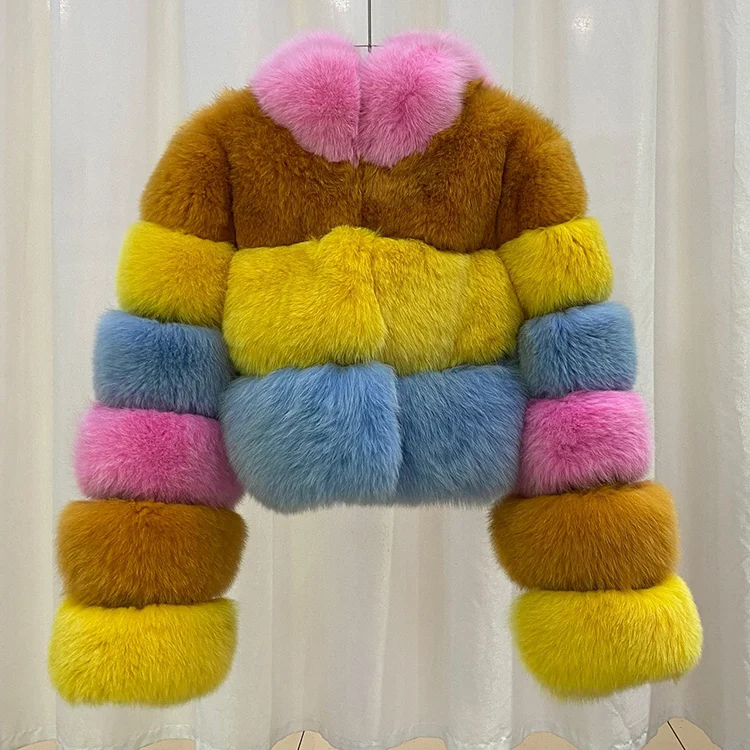 Existing UMS-FXF-026 hooded direction
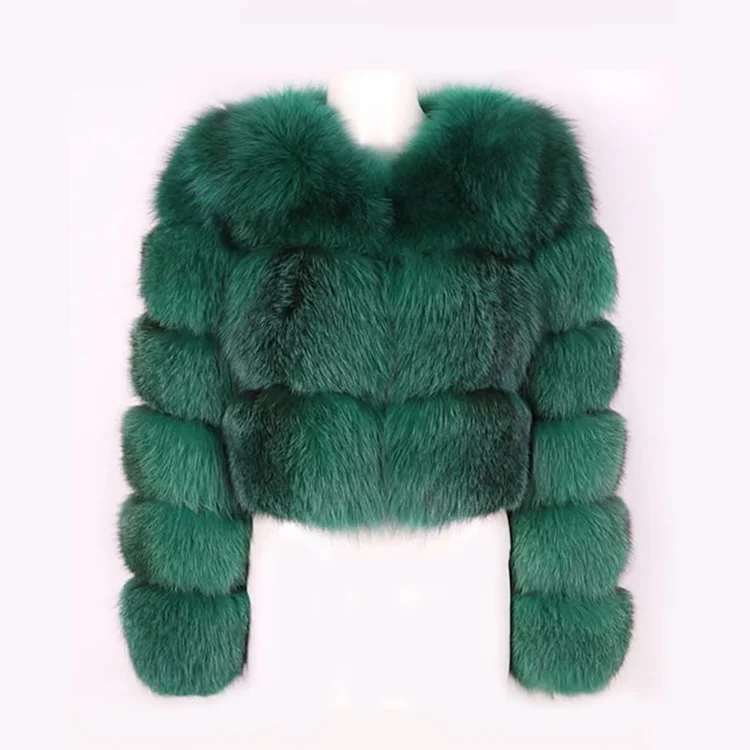 028 separate structure
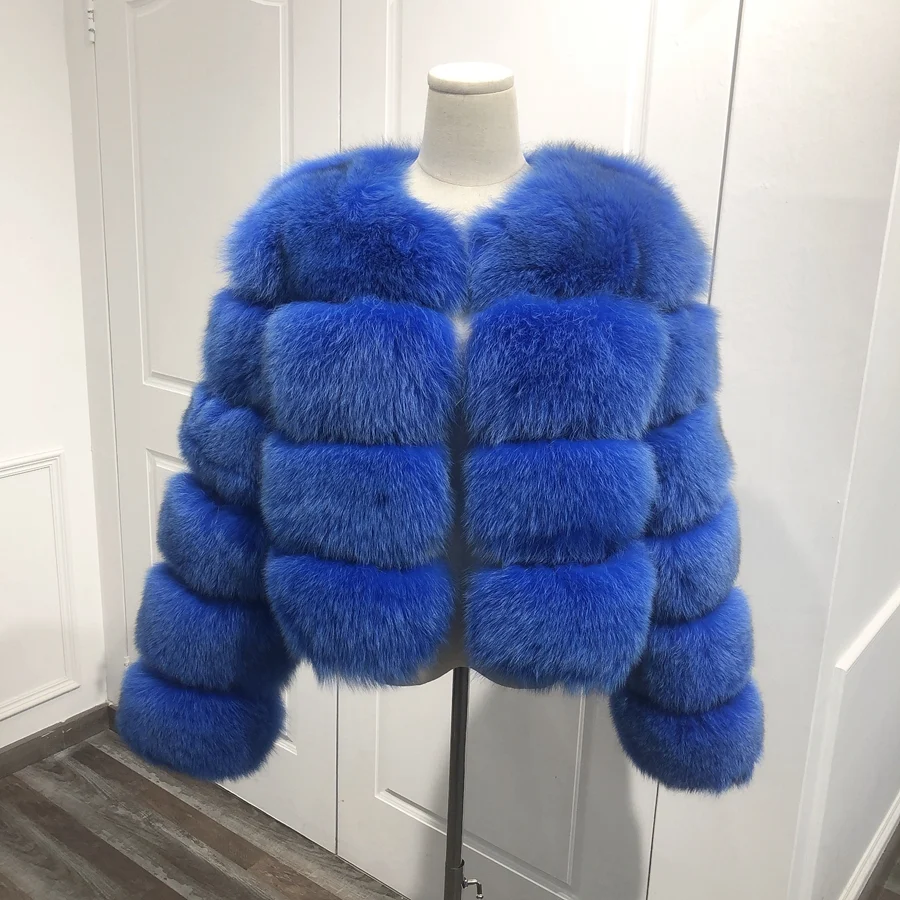 033 separate structure
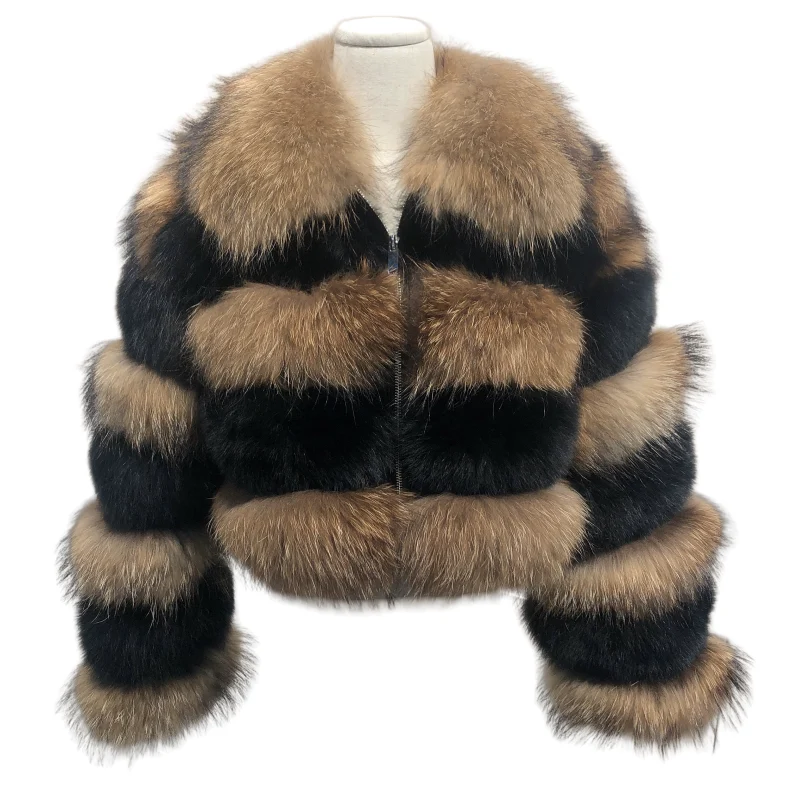 034 separate structure
7. RFQ checklist
- Style code, intended category and target market.
- Formal material name, origin/treatment records and composition.
- Panel map, hair direction, backing and lining.
- Finished measurements, fit allowance and measuring method.
- Closure, pockets, hood/collar, labels and packaging.
- Quantity, sample scope, approval points, destination and required schedule.
- Commercial image, model and third-party mark permissions.
Direct buyer questions
Can a photo identify the exact fur category?
No. It can support a visual description, but formal naming must follow product-level records and the requirements of the destination market.
Should every color have its own URL?
No. Keep colors on one canonical page when the pattern, BOM and buyer intent are the same. Separate a page only for a stable and meaningful structural difference.
What should be photographed for approval?
Use clean front, back and side views, then add collar or hood, closure, pockets, lining, backing and panel-joint details. Document commercial-use rights separately.
Related product directions
UMS-FXF-028 · Green Shawl-Collar Cropped Fur JacketUMS-FXF-033 · Round-Neck Horizontal-Panel Fur JacketUMS-FXF-034 · Zip-Front Color-Block Fur Jacket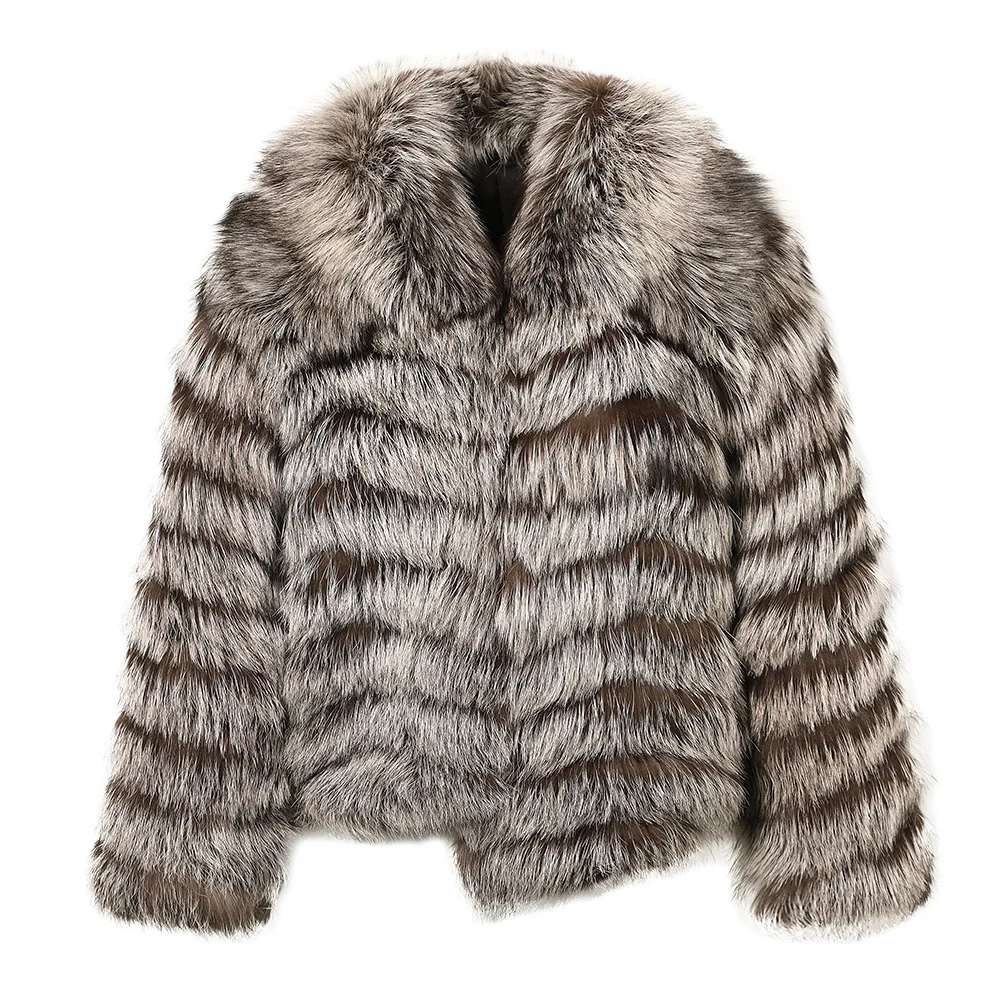 UMS-SFX-030 · Silver-Tone Chevron-Panel Fur Jacket
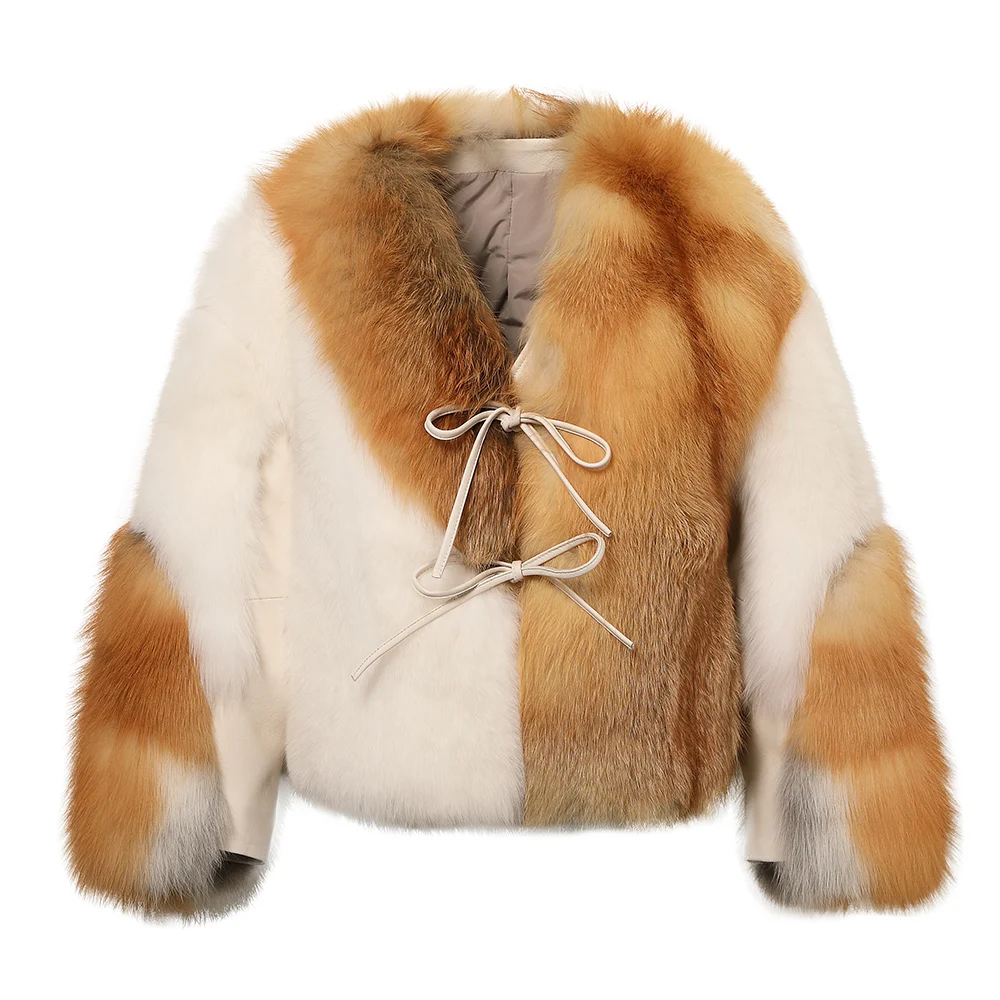 UMS-FXF-031 · Two-Tone Double-Tie Fur Jacket
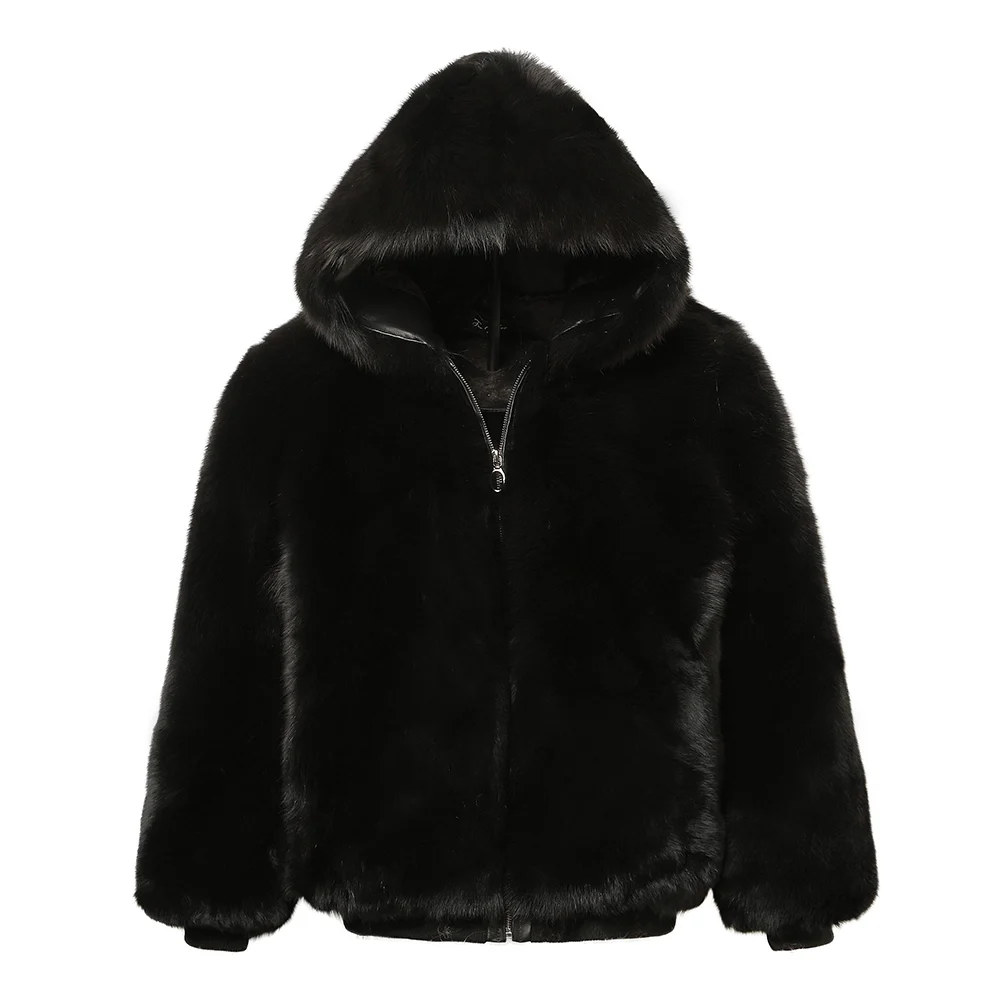 UMS-FXF-032 · Men's Hooded Zip Fur Jacket
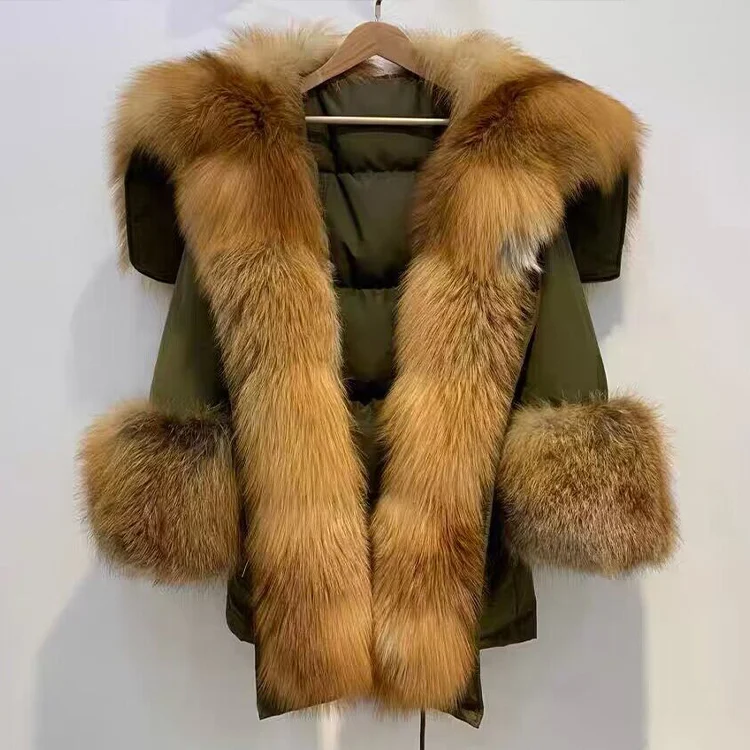 UMS-RDFX-035 · Oversized-Collar Fur-Trim Parka Reference
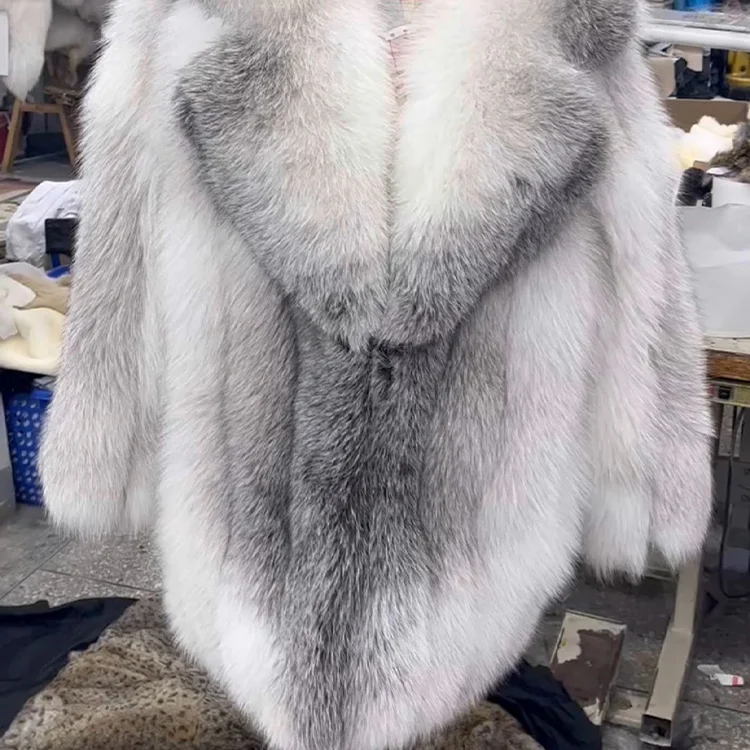 UMS-CRFX-036 · Grey-White Mid-Length Panel Fur Coat
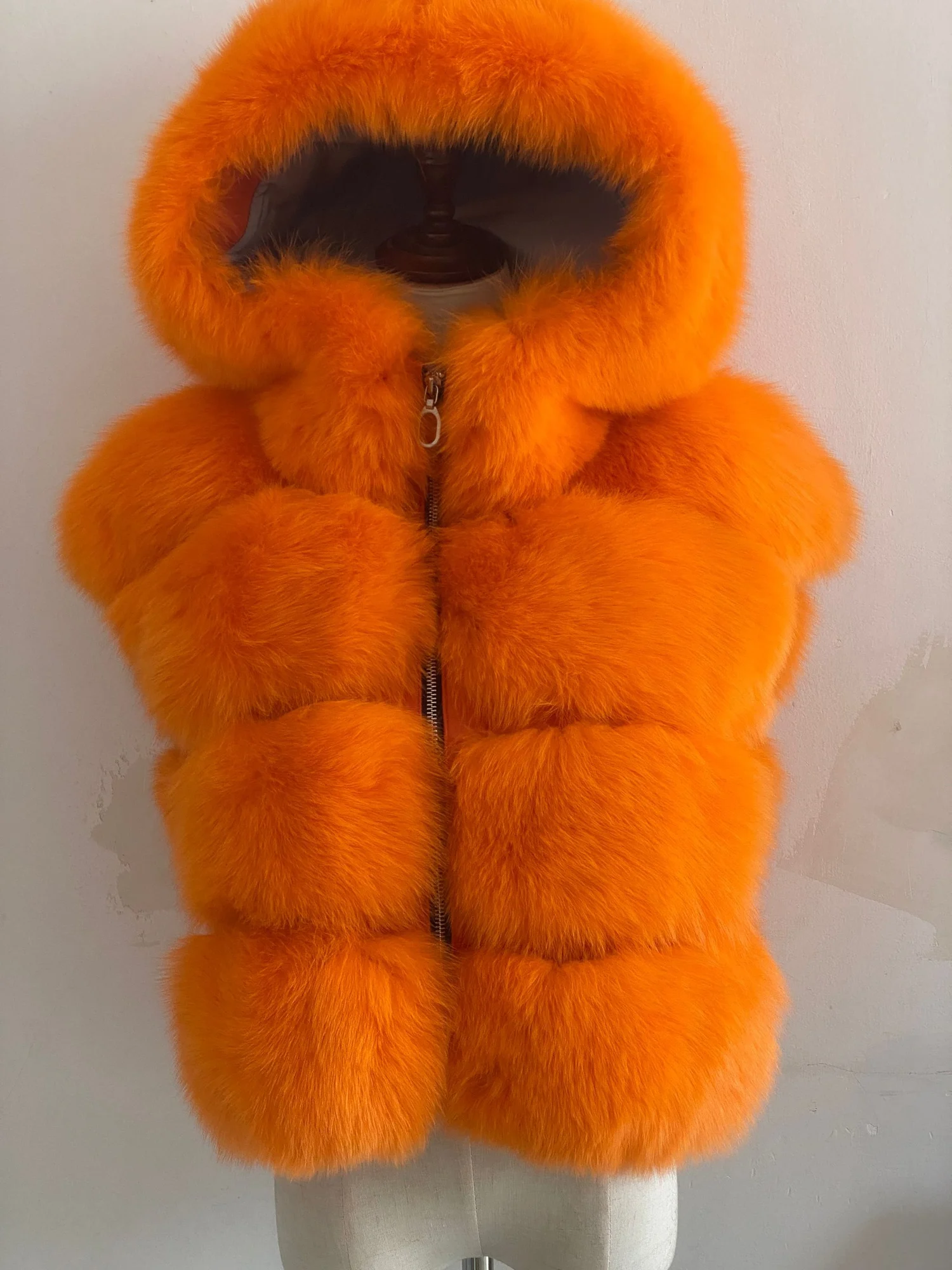 UMS-FXF-005 · Hooded Fur Panel Vest
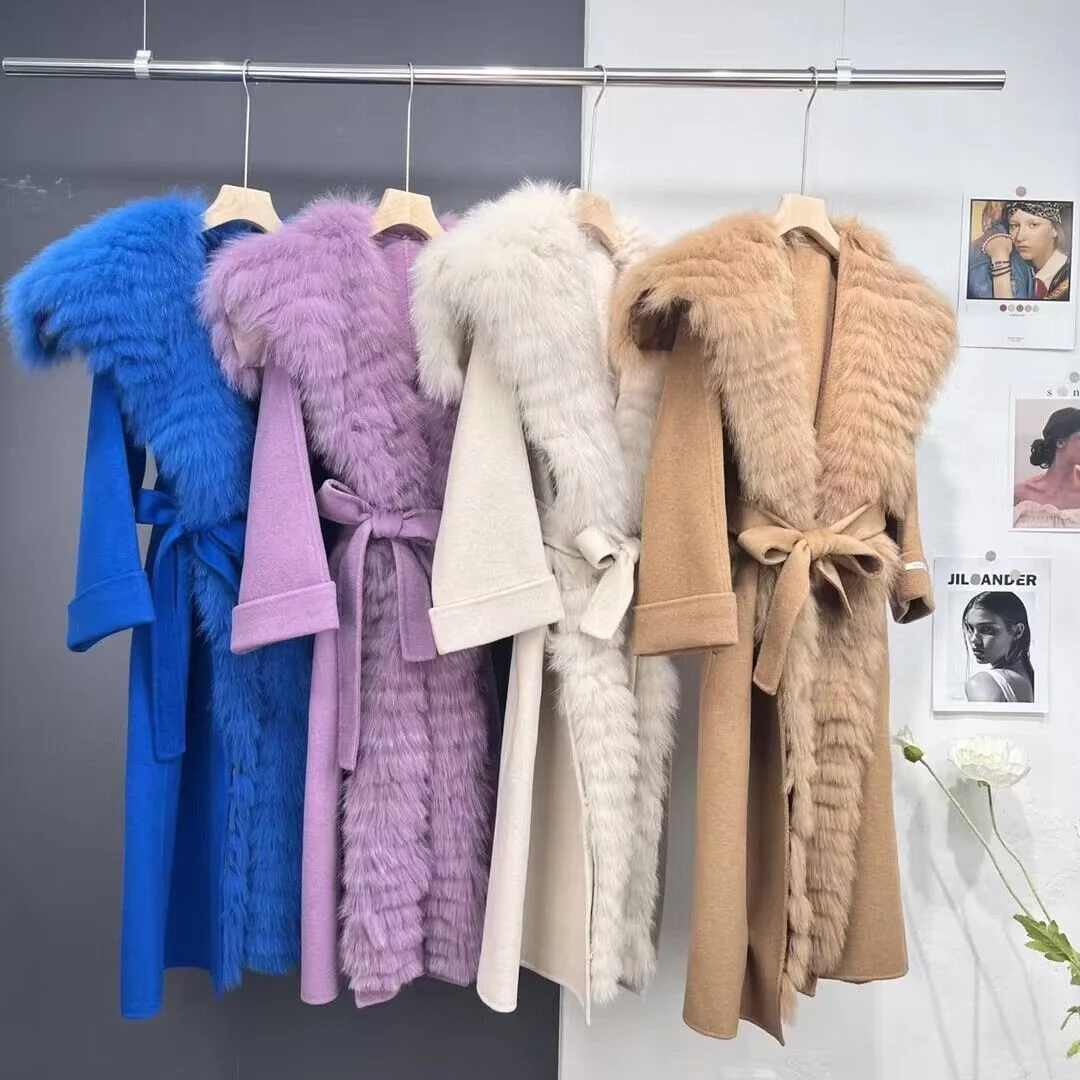 UMS-CSFX-007 · Belted Long Fabric Fur-Panel Coat