
Nine cards, one specification workflow
These nine style codes cover panelled fox-fur jackets, fur-trimmed lapel references and leather biker constructions. Each card keeps the material wording supplied for that style separate from measurements, lining and hidden construction that still belong in the written order specification.
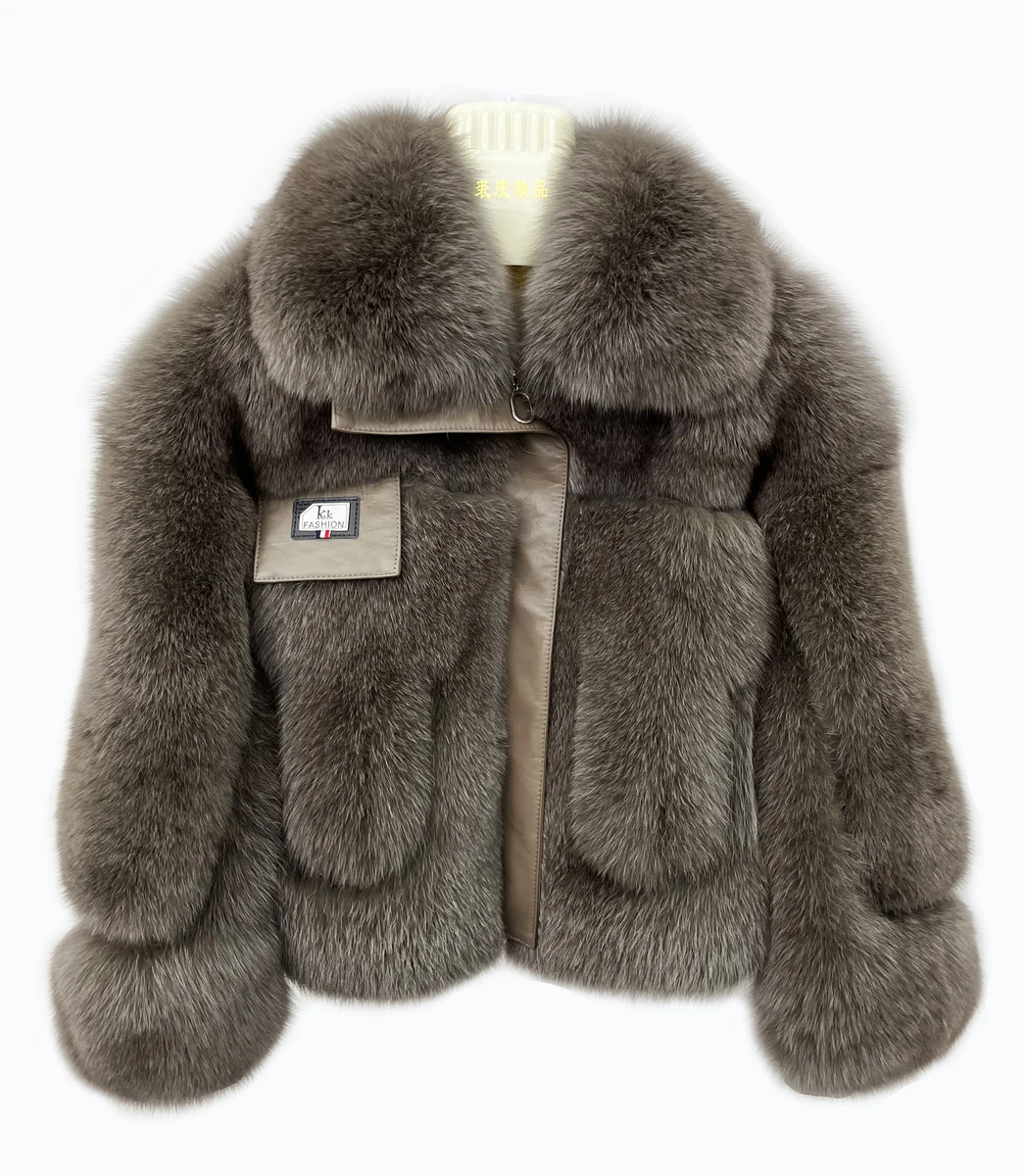
Grey Fox Fur Panel Jacket
Fox fur outerwear · Body specification pending
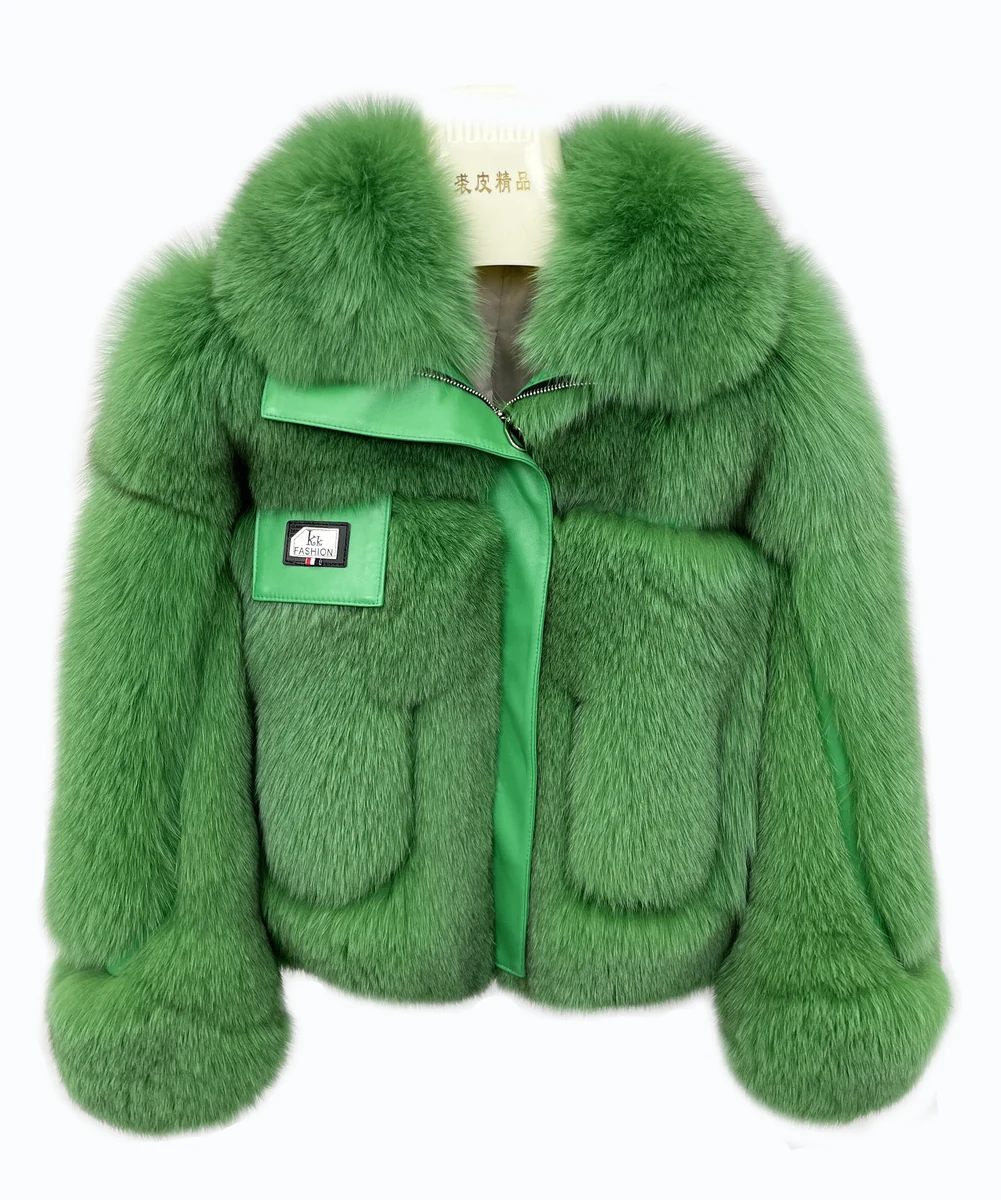
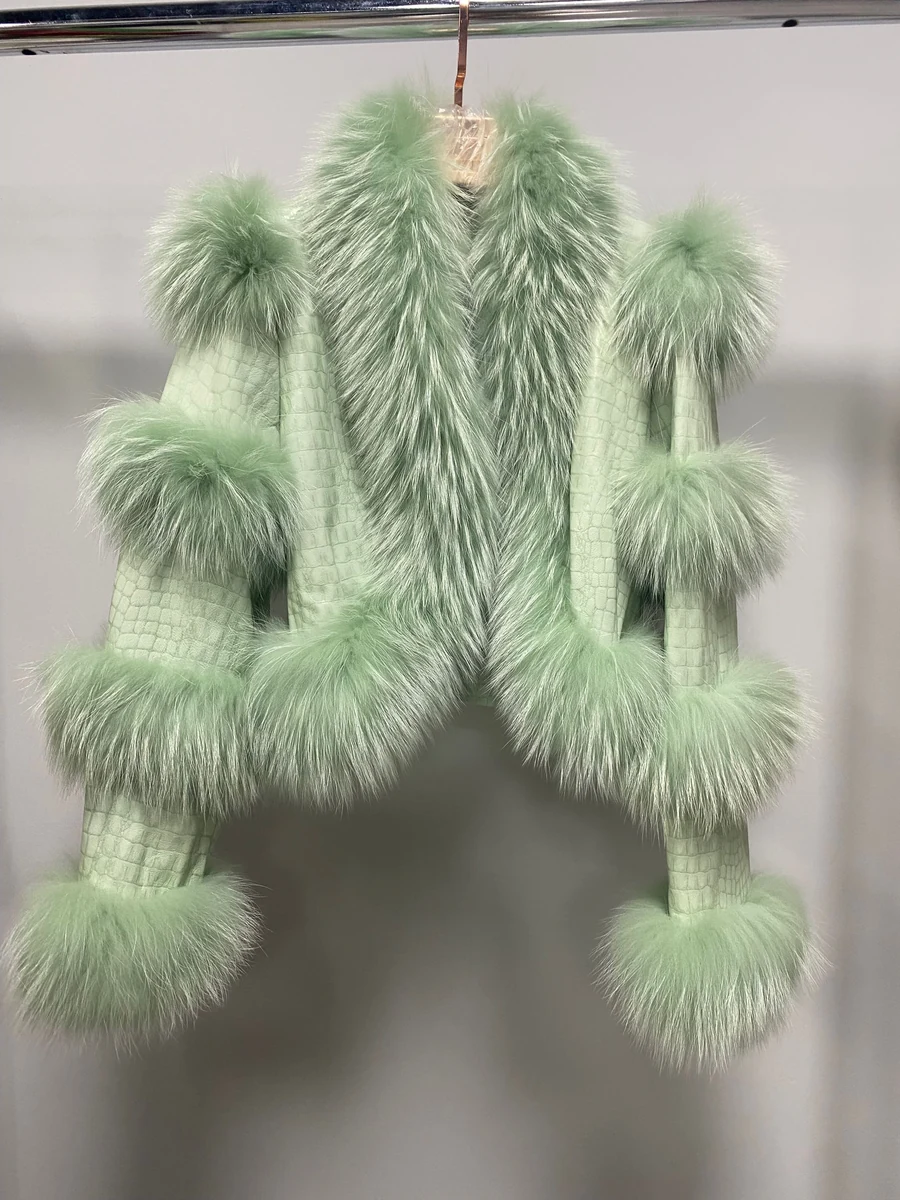
Green Fox Fur Panel Jacket
Fox fur outerwear · Body specification pending
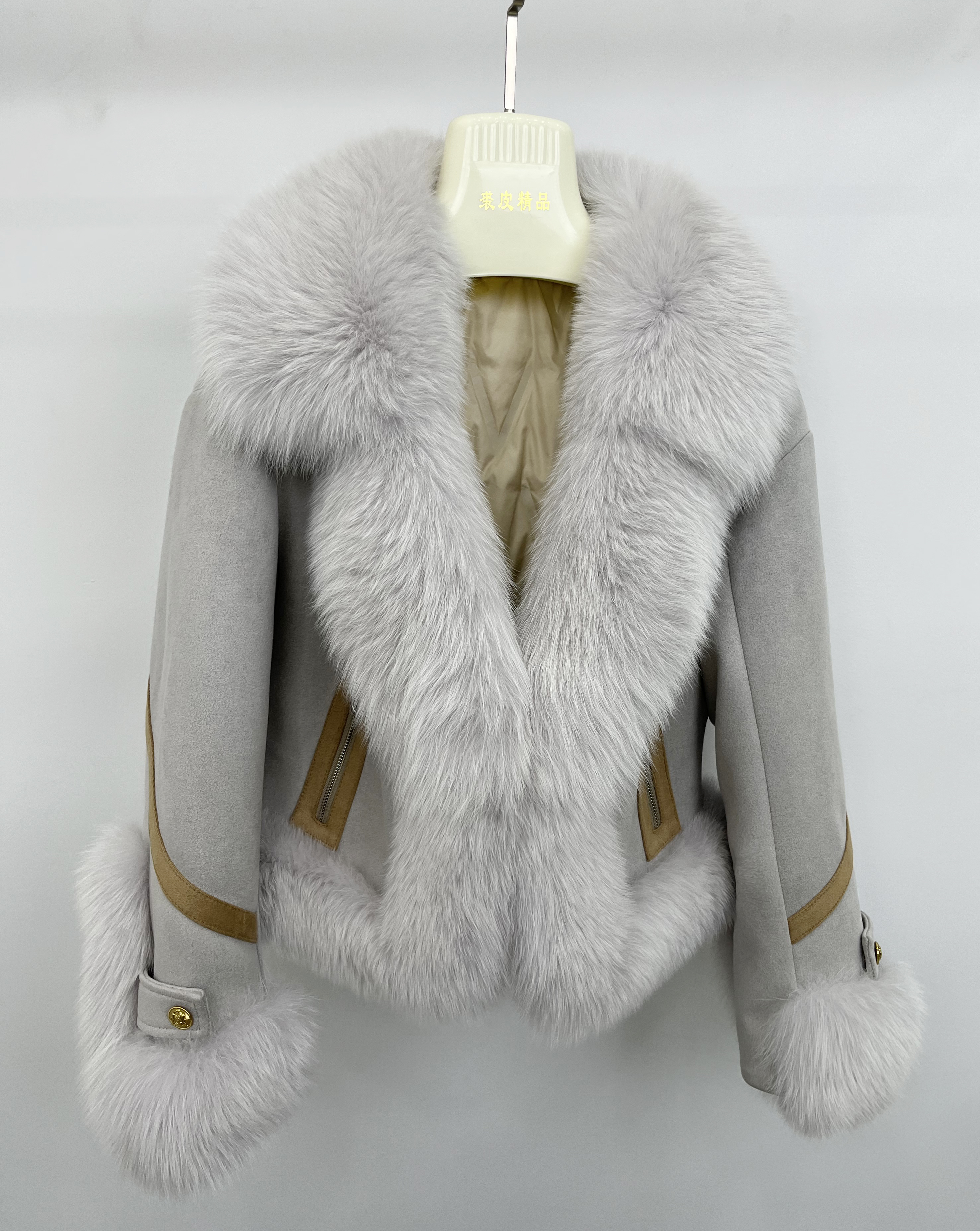
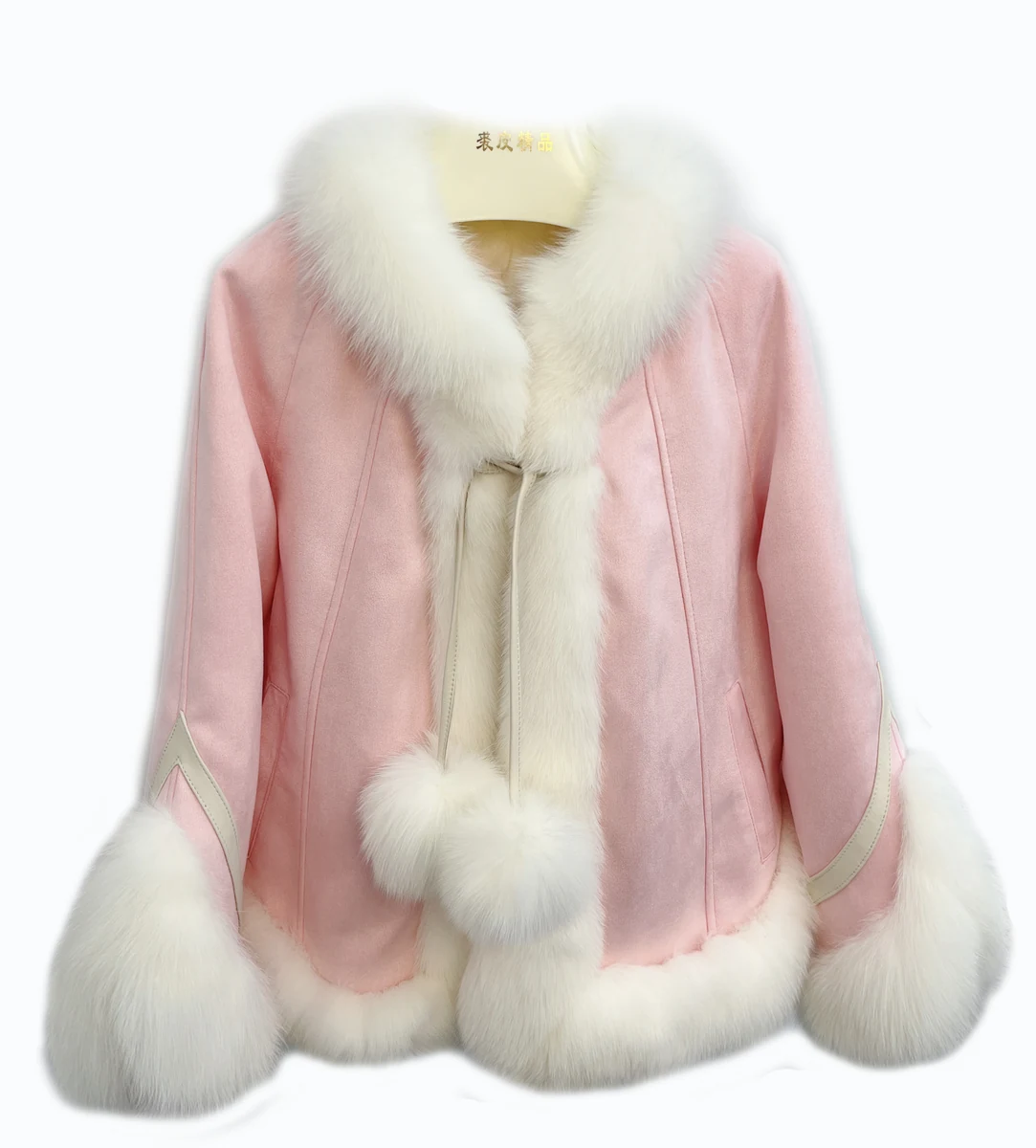
Pink Fox Fur Trim Tie-Front Jacket
Fox fur · Body specification pending
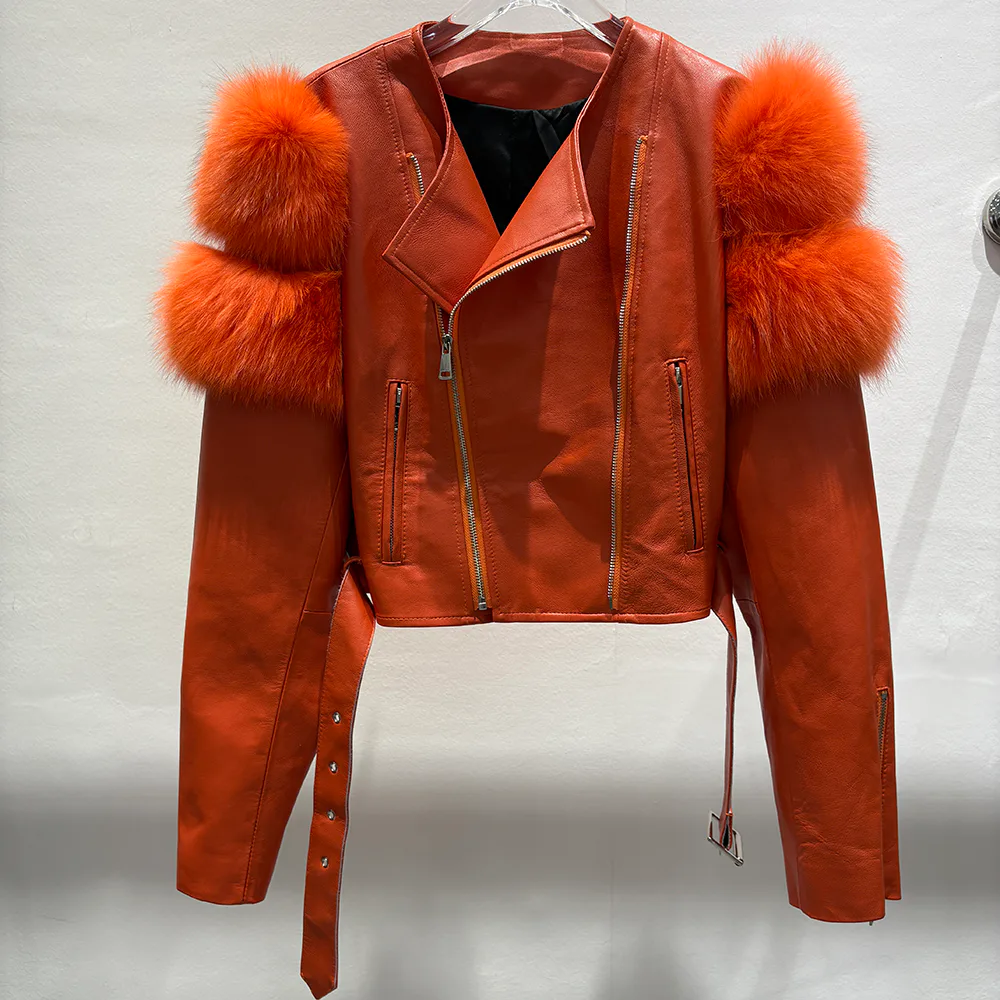
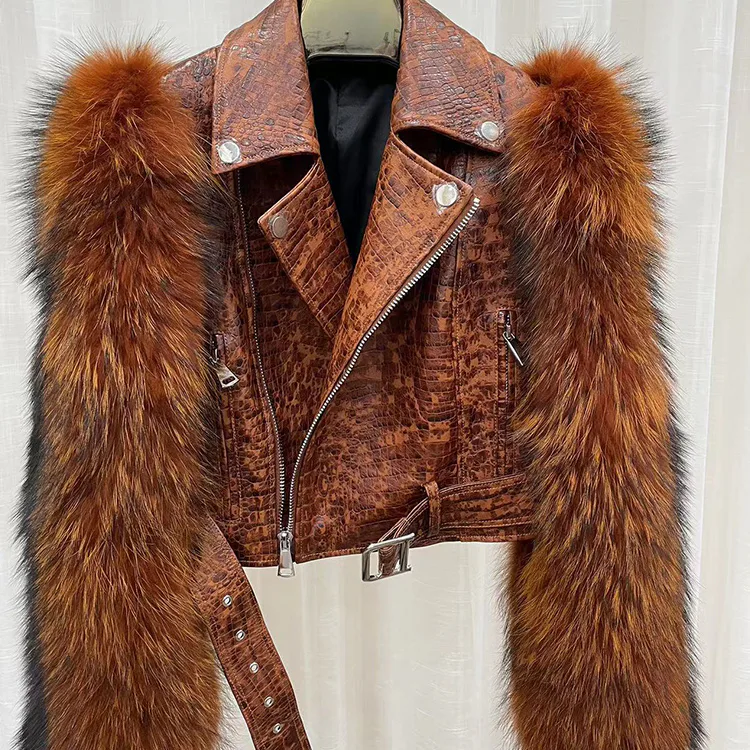
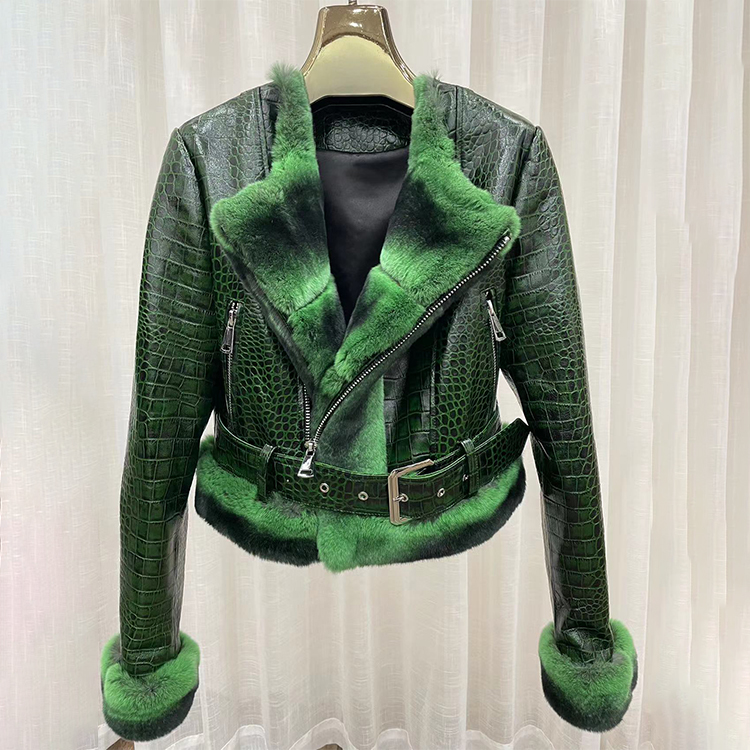
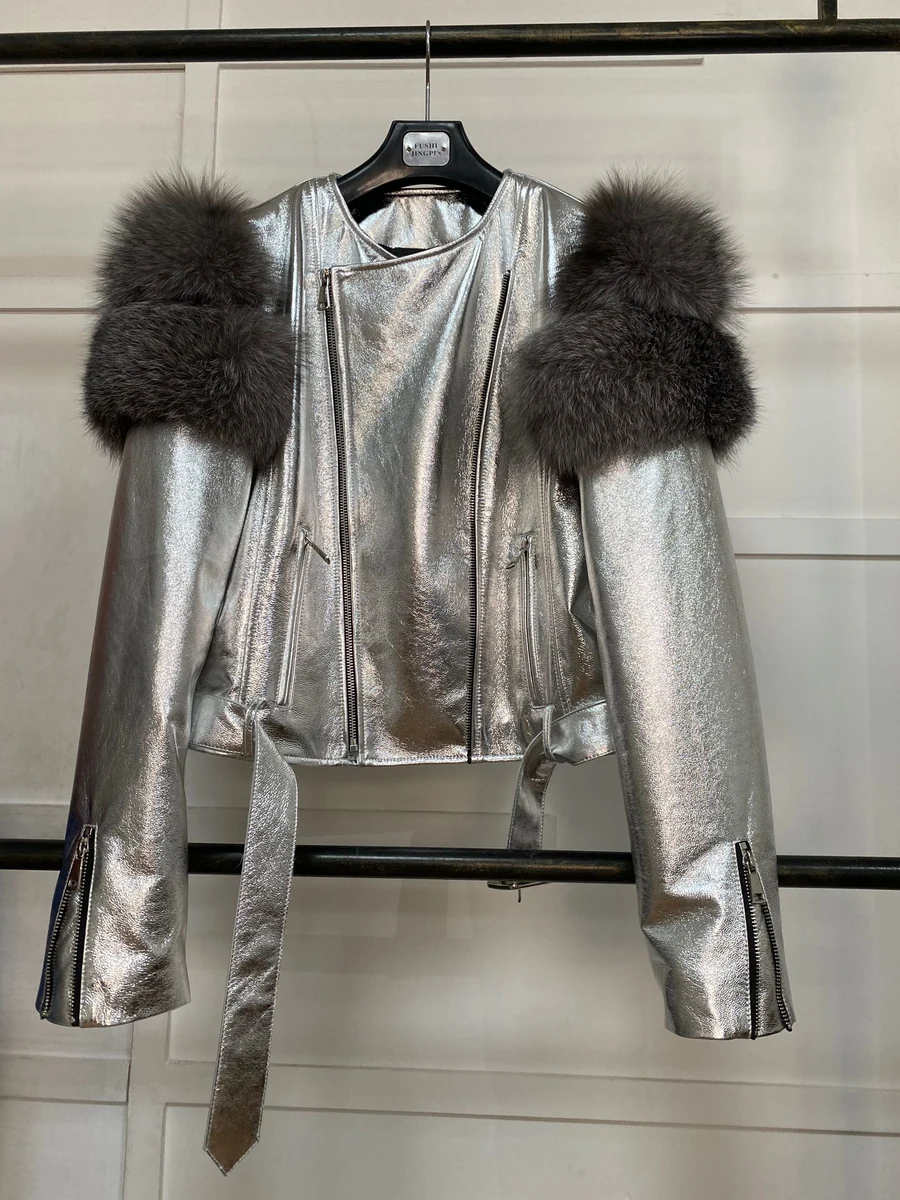
Silver Leather Jacket with Fox Fur Shoulder Panels
Genuine leather · Fox fur
Leather Jacket with Raccoon Fur Trim
Genuine leather · Raccoon fur
Explore all nine reference cards on the Products page. Use the style code when sending your material, sizing, color, labeling and packaging requirements.
1. Start with the reference and the changes
A photograph is a useful starting point for a custom garment brief. Name the style code, then separate the features you want to keep from the changes you want to make. This helps a color request stay separate from a new sleeve, collar or hardware design.
The nine-card range above shows several approaches. The two linked detail examples below focus on a grey fox-fur-trim lapel jacket and a green leather biker jacket with rex rabbit fur trim. Use the front, back and angled photographs on each detail page to discuss the silhouette, trim placement and visible construction.
2. Specify the body, trim and lining separately
Use a separate line for each part of the garment. A surface description such as suede-look or textured leather is useful for discussing appearance, but it does not provide a fiber percentage or identify a leather species. For your project, record the material you choose and keep that choice consistent through the sample review.
| Part | What to include in your brief |
|---|---|
| Body | Material direction, color, surface finish and the composition or leather type you require. |
| Fur trim | Fur type, color, placement and the areas to be covered. |
| Lining | Material and color preference, plus any required label information. |
| Construction | Collar, sleeve, closure, belt and pocket details to keep or change. |
3. Choose size labels or custom measurements
Standard size labels such as S, M, L and XL can be used, and custom dimensions are available. A letter label by itself is not a finished-garment measurement. Tell us whether you want to use your brand's sizing, a reference garment or custom measurements.
If you already have measurements, include the unit and explain whether each measurement describes the body or the finished garment. Useful points to discuss include chest, shoulder, sleeve and back length, together with the space you want for layering. No universal measurement numbers are assigned to these reference styles.
4. Separate custom sizing and basic options from structure changes
For the reference styles linked in this guide, colors, sizes, body materials, fur, lining, labels and packaging can be customized from 1 piece. Collar or sleeve structure changes and hardware customization require 50 pieces. These minimums are counted across the whole order, rather than adding a separate minimum for each color or size.
Provide your label artwork, placement preference and packaging direction with the brief. If you want a part to be removable, state that request explicitly; a photograph alone does not establish that the reference garment already has a removable construction.
5. Plan the sample and quantity-dependent production
For these references, the stated sample lead time is 3 days after receipt of the deposit. Bulk production timing depends on quantity and is counted from receipt of the deposit. Share your order quantity and required delivery date when discussing the production schedule; there is no single fixed bulk lead time shown here.
Keep the chosen material, dimensions, color and branding notes with the sample review so the intended garment is clear. For care, home washing or machine washing is not recommended. If cleaning is needed, consult a professional fur-care specialist and follow the requirements for the actual mixed materials.
6. Send a concise inquiry
- Reference style code or your own design.
- Order quantity and color allocation.
- Standard size labels, your size chart or custom measurement direction.
- Body material, fur, lining and any construction changes.
- Label artwork, packaging preference and destination.
These notes give the conversation a clear starting point without treating a reference image as a complete technical specification.
Discuss Your Custom Project